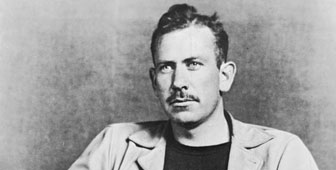
Why John Steinbeck Would Support Bernie Sanders Now

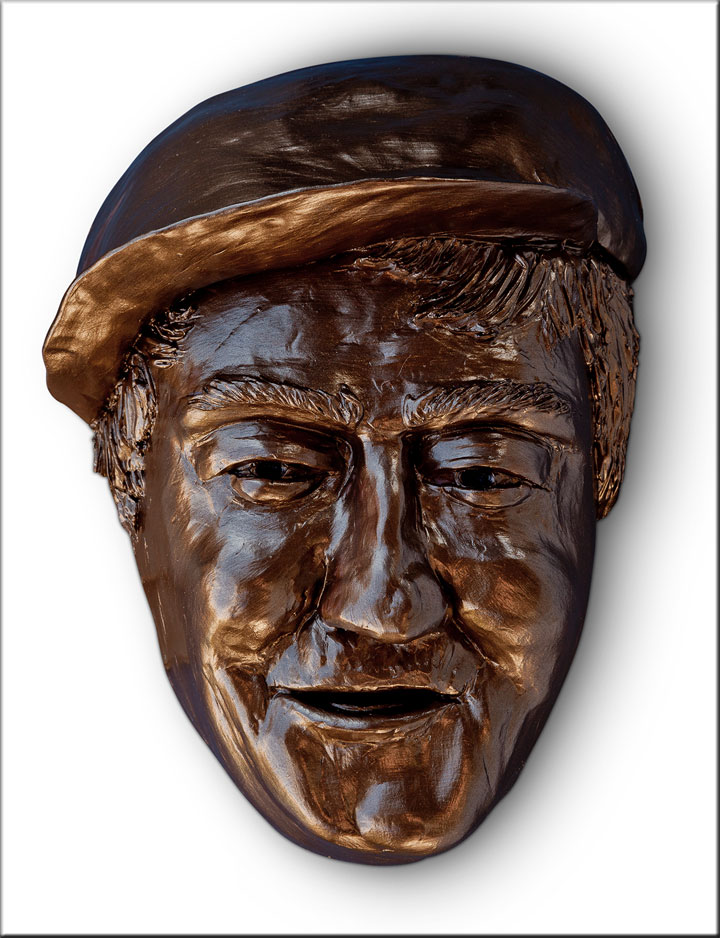
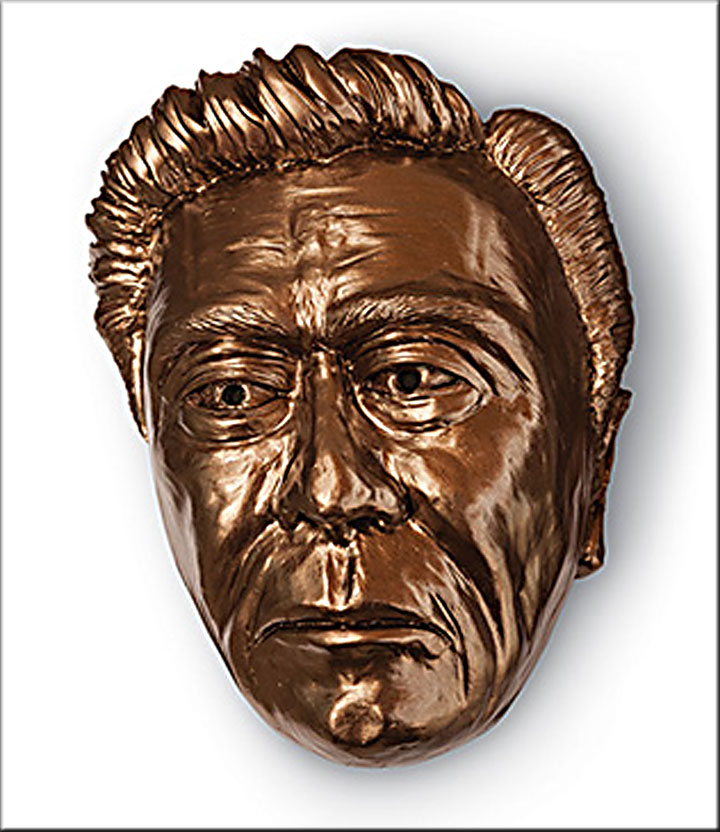
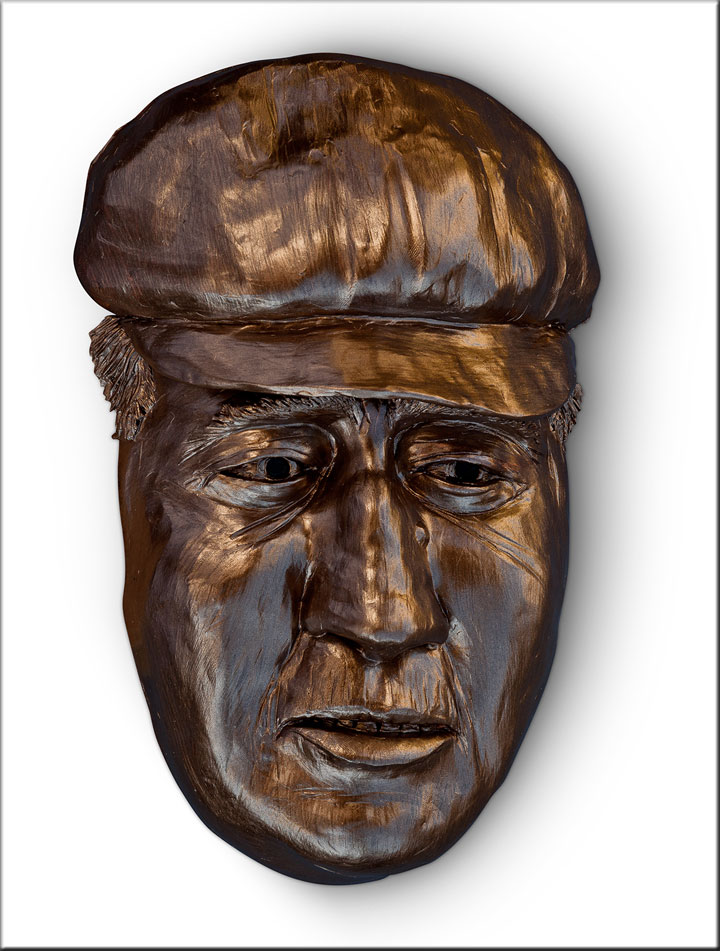
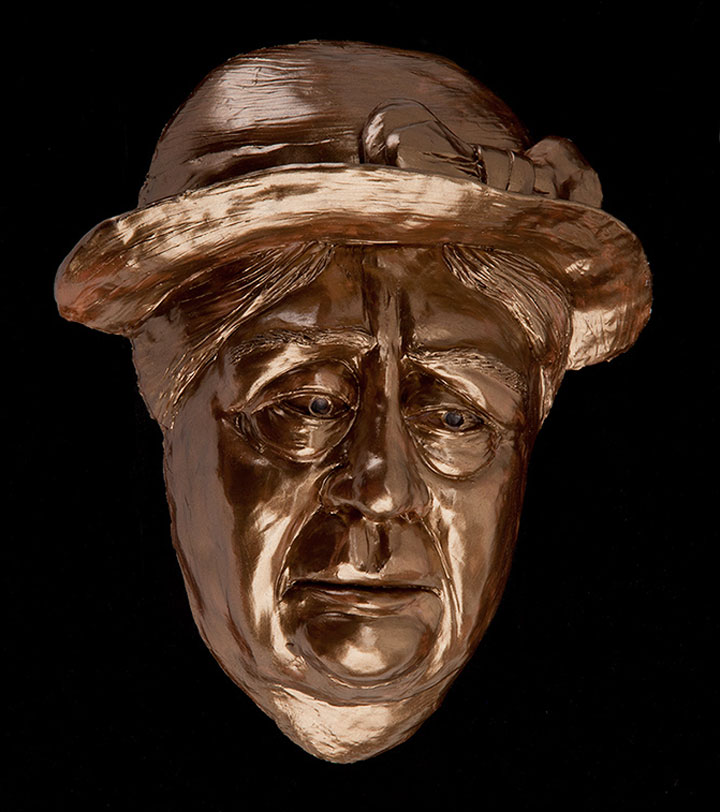
Composite image of Bernie Sanders, John Steinbeck, Franklin Roosevelt, and Adlai Stevenson

If John Steinbeck were alive today he would support Bernie Sanders for president.

Why? Because Bernie Sanders is the kind of outspoken progressive the author of The Grapes of Wrath enthusiastically embraced during his controversial career as a prize-winning writer of popular fiction. A passionate believer in fair play, Steinbeck endorsed presidential candidates committed to populist causes, actively campaigning for Franklin Roosevelt, who was elected four times, and Adlai Stevenson, who ran twice but lost both races. More than either man, Bernie Sanders talks straight in plain language about equality and integrity, Steinbeck’s core values—a New England character trait that Steinbeck both admired and inherited. The Sanders movement is about issues, not personality; Steinbeck wanted to be remembered for his books, not his life. But his life was public and political, and a little biography is needed to show why he’d be for Bernie Sanders today.

Why John Steinbeck and Bernie Sanders Would Get Along

Steinbeck was born in Salinas, California, in 1902, and grew up in the small town during the era of Theodore Roosevelt, the Republican President who busted the big business trusts and moved to curtail private exploitation of public lands by creating parks such as Yosemite. John’s mother was an ex-schoolteacher and tireless civic volunteer. His father was a failed small-businessman who became the elected Treasurer of Monterey County. His mother’s parents emigrated from Ireland, while his father’s people were New Englanders—half-English and half-German. Both parents were Party-of-Lincoln Republicans who believed in social improvement, access to education, and reforming government to make it work better. Steinbeck was proud of these roots, later writing that everybody in Salinas was a Republican back then, and that if he had stayed in Salinas he would have become one, too.

Steinbeck was proud of his roots, later writing that everybody in Salinas was a Republican back then, and that if he had stayed in Salinas he would have become one, too.

Like Bernie Sanders, John Steinbeck grew to distrust the corrupting influence of corporations and how working people were manipulated to vote against their economic self-interest—urban vs. rural, native- vs. foreign-born, small farmers and white laborers vs. Mexicans, Chinese, Filipinos, and refugees from the Dust Bowl. He hated the social snobbery he encountered as a student at Stanford University in the 1920s, working as a field hand and night watchman in summers and off-semesters to help pay his way but quitting before getting a degree. In 1925 he left for New York to find his own way. There, like Bernie Sanders, he failed at more than one job before returning to California to make ends meet as a caretaker-handyman on a rich man’s estate. The Great Depression that resulted from Wall Street’s collapse in 1929 gave Steinbeck the subject he needed to become a politically engaged writer: the brutal suppression of non-union workers by California’s big business interests. The state’s powerful industrial-agriculture complex became the target of his 1939 masterpiece, The Grapes of Wrath.

The Great Depression that resulted from Wall Street’s collapse in 1929 gave Steinbeck the subject he needed to become a politically engaged writer: the brutal suppression of non-union workers by California’s big business interests.

Also like Bernie Sanders today—and most Americans at the time—Steinbeck believed in gun-rights, but was too tenderhearted to hunt. Instead, he kept a gun for self-protection. Hired thugs threatened to break his legs or worse for what he was writing about workers’ rights, even before The Grapes of Wrath, and the sheriff warned him of a plot to set him up for a rape charge. Threats failed to change his mind, and the celebrity he achieved through his writing changed his behavior but not his character. Like Bernie Sanders, he remained pro-labor all his life and more at ease with working people than with billionaires. He refused to own a Ford because Henry Ford was an anti-union anti-Semite whose cars Steinbeck thought inferior. Steinbeck described another billionaire as so driven by avarice that late-life regret forced him to try buying his way into heaven through philanthropy.

Like Bernie Sanders, he remained pro-labor all his life and more at ease with working people than with billionaires. He refused to own a Ford because Henry Ford was an anti-union anti-Semite whose cars Steinbeck thought inferior.

The greatest influence on Steinbeck’s thinking about politics was probably his first wife, Carol Henning, a progressive activist who suggested the title of The Grapes of Wrath. Together they supported the New Deal programs of President Franklin Roosevelt, whose First Lady became Steinbeck’s friend and ally. Like Bernie Sanders, however, Steinbeck had a wise way of not rejecting those who disagreed with him about party affiliation. He remained loyal to his Republican sisters, though he deeply disliked their fellow Californian Richard Nixon, and he despised William Randolph Hearst, the father of yellow journalism—the Fox News of American politics at the time. Steinbeck died in New York the month after Nixon was elected president in 1968. If Steinbeck and Bernie Sanders had met in the ’60s, unlikely but conceivable, they would have agreed about the movement for desegregation and voting rights and disagreed about the war in Vietnam, an issue that eventually got Steinbeck in trouble with his friends.

John Steinbeck, Franklin Roosevelt, and Adlai Stevenson

When Steinbeck’s enemies accused him of being Jewish because of his surname and his sympathies, he replied that he would be pleased if it were so. In reality his religious roots were Protestant, and he grew up in the Episcopal Church—the church of Franklin Roosevelt, a New York aristocrat of Dutch descent whom detractors also accused of being a Jew. Just as Steinbeck’s parents had supported the progressive policies of Teddy Roosevelt, FDR’s Republican cousin, Steinbeck advocated Franklin Roosevelt’s New Deal as a way out of the pain and suffering caused by Wall Street in the Great Depression. When world war broke out the year The Grapes of Wrath was published, Steinbeck found himself blackballed by military bureaucrats in Washington and abused by his local draft board. Despite his support for FDR and the fight against Fascism, he questioned the government’s internment of Japanese-Americans and criticized pro-war propaganda created by New York ad men and Hollywood studio warriors. After showing courage under fire as an embedded newspaper correspondent on the Italian front, he was refused the award for valor that many thought he deserved. When he returned to the United States he said the worst thing about war was its dishonesty.

Despite his support for FDR and the fight against Fascism, he questioned the government’s internment of Japanese-Americans and criticized pro-war propaganda created by New York ad men and Hollywood studio warriors.

Doubts about the Cold War, plus Eleanor Roosevelt’s endorsement, motivated John Steinbeck to support Adlai Stevenson over Dwight Eisenhower in 1952 and 1956. Stevenson’s cool intelligence and firm grip on fact-based reality appealed to Steinbeck’s intellect, which he developed by dialogue and research. The same traits made Stevenson a target of Cold Warriors from both parties connected to what Eisenhower later called out as the military-industrial complex in his last State of the Union address. Stevenson was an independent-minded politician with a consistent message, an activist following, and an aversion to the kind of character assassination used against him when he ran for president. Like Franklin Roosevelt and Bernie Sanders, he was John Steinbeck’s idea of an authentic progressive.

Adlai Stevenson was an independent-minded politician with a consistent message, an activist following, and an aversion to the kind of character assassination used against him when he ran for president. Like Franklin Roosevelt and Bernie Sanders, he was John Steinbeck’s idea of an authentic progressive.

Along with Eleanor Roosevelt, Steinbeck encouraged Stevenson to run again in 1960 before shifting his support to John Kennedy. After the election Stevenson and Steinbeck grew close, closer than Steinbeck ever was to Franklin Roosevelt. Like Bernie Sanders, Stevenson had a scientific, secular worldview that attracted Steinbeck but invited opponents to characterize Stevenson as an egghead who was unqualified to be president because he read books and liked culture. Steinbeck, who wrote long books, shared Stevenson’s enthusiasm for music and reading. Cool Bach was playing in the background as Steinbeck wrote The Grapes of Wrath. So was the edgy music of Igor Stravinsky, a Russian refugee with a wild, insistent sound more like Bernie Sanders than Bach or Adlai Stevenson.

But Couldn’t John Steinbeck Be for Hillary Clinton?

Answer: If Bernie Sanders weren’t running, yes, but with reservations. Here’s why.

John Steinbeck’s third wife was a Texas friend of Lady Bird Johnson, and the Steinbecks were White House guests when LBJ needed help with the intellectuals he thought Steinbeck, like Stevenson, represented. It’s easy enough to imagine Elaine Steinbeck, the first non-male stage manager in Broadway history, favoring a female candidate for president today. But the influence she exerted turned out badly for her husband in the 1960s. Steinbeck’s sense of loyalty to the Johnsons led him to get the Vietnam War very wrong, despite the lesson he learned in World War II. He kept his mouth shut in public after touring Southeast Asia at Johnson’s urging. In private he confessed that the government had no business interfering in the civil war of a country that hadn’t attacked America.

Today John Steinbeck would be for Bernie Sanders, the no-nonsense New Englander with a consistent record on everything that mattered most to Steinbeck: social justice, individual integrity, and saving the people and the planet Steinbeck celebrated in The Grapes of Wrath.
If he’d lived, Steinbeck would have opposed the Bush-Cheney wars for the same reason—plus the deceit and dishonesty used to justify the invasion of Iraq. At the time, Bernie Sanders joined Barack Obama in opposing the Iraq war from the floor of the U.S. Senate. Like a Cold War Democrat in the days of Lyndon Johnson, however, Senator Clinton went along with the crowd and voted yes. Steinbeck paid dearly, in reputation and in conscience, for following the White House line on Vietnam, despite his distrust of Wall Street and warmongering and his understanding of their connection. Given that experience, he’d distrust Clinton—for her Wall Street friends as much as for her flip-flopping on Iraq. In 2008 Steinbeck would have supported Obama—an egghead from Illinois, like Adlai Stevenson—and rejoiced in the result. Today he’d be for Bernie Sanders, the no-nonsense New Englander with a consistent record on everything that mattered most to Steinbeck: social justice, individual integrity, and saving the people and the planet Steinbeck celebrated in The Grapes of Wrath.
J. Crew Recalls Steinbeck’s 1953 Trip to Positano, Italy

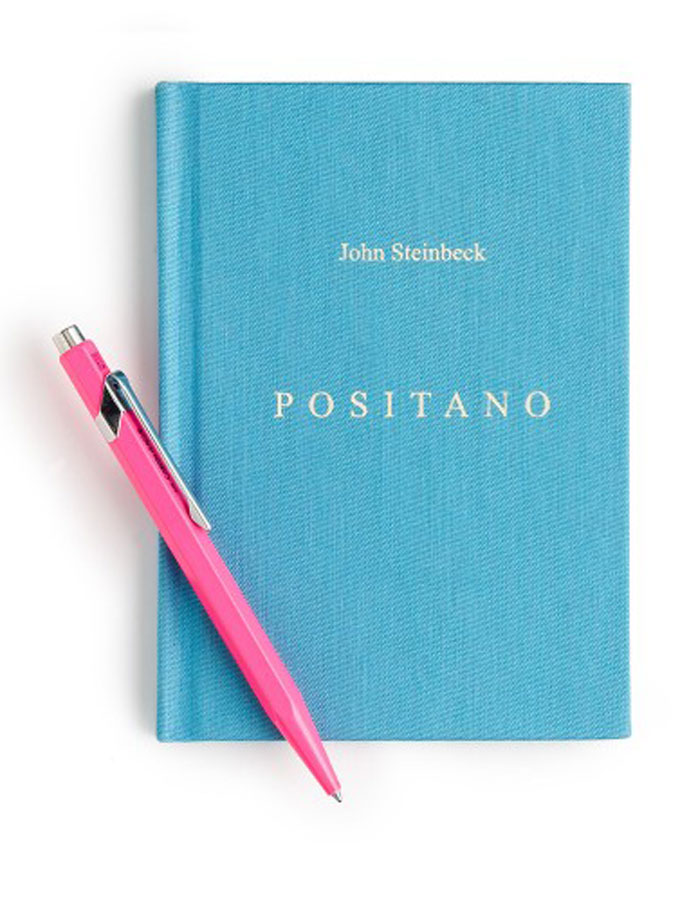
J. Crew's image of specially bound John Steinbeck travel piece

John Steinbeck’s brand remains a resilient commodity with commercial uses that continue to surprise. Steve Hauk alerts Steinbeck lovers to J. Crew’s online profile of Carla Sersale, a clothing designer whose family owns a summer resort on the Amalfi Coast, a magical place visited by John Steinbeck in 1953. Along with the view, the hotel’s rooms feature specially bound copies of John Steinbeck’s piece on Positano, Italy, written for Harper’s Bazaar magazine—a reminder that Steinbeck knew how to travel well and commercialize, too.

Love John Steinbeck and Care about International Affairs? Subscribe Today to Steinbeck Review

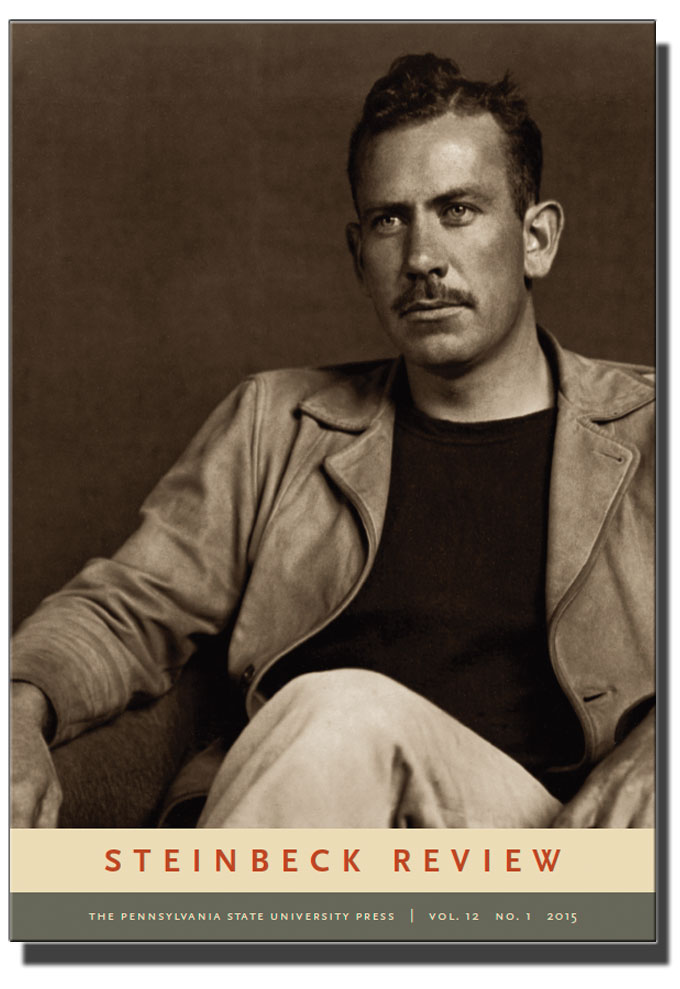
Cover image of spring 2015 issue of John Steinbeck Review

John Steinbeck ideas and events are international affairs. Need proof? The current issue of Steinbeck Review, a scholarly journal published in the spring and fall for San Jose State University by Penn State Press, demonstrates Steinbeck’s global relevance in an array of articles, book reviews, and announcements of interest to Steinbeck lovers everywhere. Four academic experts—Susan Shillinglaw, Melinda Pham, TK Martin, and Pete Barraza—discuss the topic “Teaching and Living Steinbeck’s Stories” based on decades of classroom experience. Mimi Gladstein, a professor in Texas, focuses on “Immigration Issues: Steinbeck’s Continued Relevance.” Other contributors connect Steinbeck’s writing to issues of ecology, economy, and technology, international affairs of equal importance today. A helpful list of books and papers about John Steinbeck published in 2012-13 further confirms Steinbeck’s continuing appeal, despite declining readership for other authors of his generation. So does a pair of book reviews—one about discovering post-Steinbeck America on the road (with your dog), another about the ongoing controversy over Steinbeck’s alleged involvement with the CIA. The announcement that San Jose State University will host a conference on John Steinbeck’s internationalism in May of 2016, the first such event since 2013, is particularly welcome news for readers of Steinbeck Review outside the United States. Love John Steinbeck’s fiction and follow international affairs? Do yourself a favor. Subscribe today.

James Franco Writes About Motion Picture Adaptation of Steinbeck’s In Dubious Battle

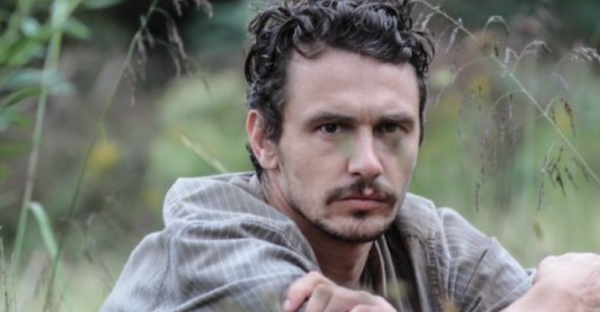
Image of James Franco in Steinbeck's In Dubious Battle

It isn’t surprising that James Franco has made a specialty of John Steinbeck. The 37-year-old actor grew up in Palo Alto, California, where Steinbeck attended college. Following high school, Franco dropped in and out of jobs and trouble—as Steinbeck did at the same age—before majoring in writing at UCLA, studying art at the Rhode Island School of Design, and pursuing a PhD in English at Yale. Like Steinbeck during the Great Depression, Franco is attracted to social causes by personal experience: exposing troubled kids to literature and advocating equal rights for gay people. A prolific writer, he recently blogged about his motion picture adaptation of Steinbeck’s Great Depression novel In Dubious Battle, scheduled for release this year. Franco’s connection to Steinbeck is strong, so the movie should be good.

New York Times Writer Emulates John Steinbeck’s Travels with Charley in a Book to Please Dog Lovers

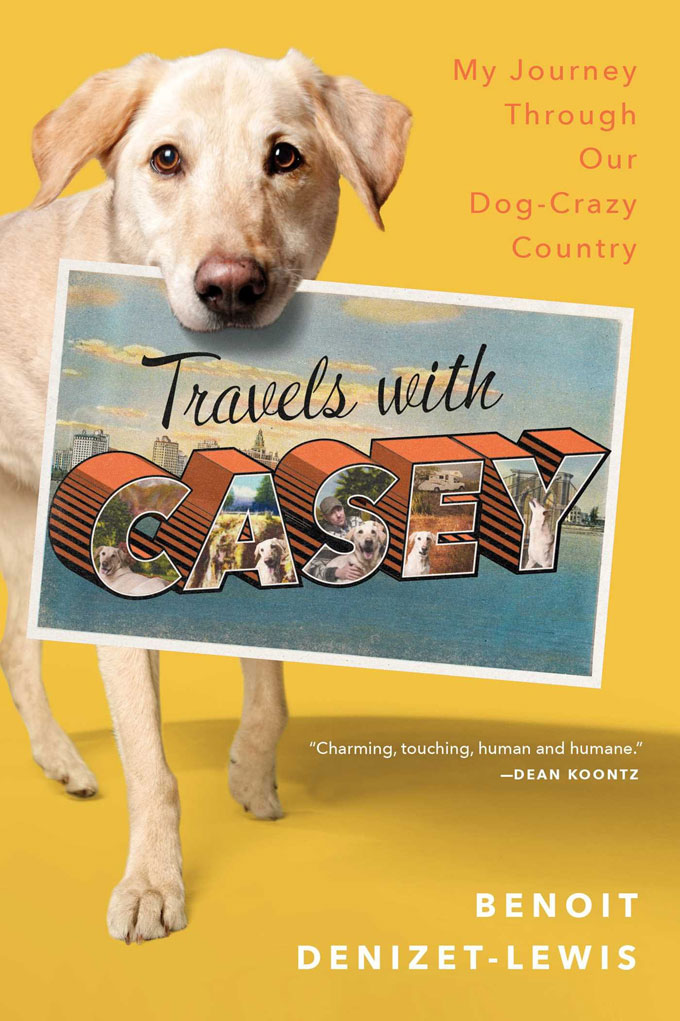
Cover image of Travels with Casey by Benoit Denizet-Lewis

John Steinbeck’s Travels with Charley in Search of America inspired a recent book by a dog lover named Benoit Denizet-Lewis, a 39-year-old author from San Francisco who has been writing for the New York Times Magazine since he was 26. Travels with Casey, My Journey through Our Dog-Crazy Country is a whimsical account of connecting with contemporary America—half a century after John Steinbeck hit the road with Charley—accompanied by the book’s titular canine and by Rezzy, an abandoned puppy found along the way. The story is a dog lover’s delight, long on love but short on the uneven edges that lovers of literalism continue to expose in Travels with Charley.

Writing for Dog Lovers, Not John Steinbeck Fans or Critics

Other writers have repeated the route taken by John Steinbeck in Travels with Charley, none with greater attention to fiction-versus-fact than Bill Steigerwald, whose Dogging Steinbeck: Discovering America and Exposing the Truth about ‘Travels with Charley’ caused consternation among Steinbeck fans for pointing out fibs and fudges in Steinbeck’s record of the 1961 journey he took with the handsome poodle belonging to his wife. Steinbeck set out to rediscover an America he felt he no longer understood, and bringing along Charley was an inspired afterthought. After discovering that Elaine Steinbeck also accompanied her husband much of the way—and that certain encounters reported by Steinbeck were embroidered or created from whole cloth—Steigerwald concluded that Travels with Charley was essentially a work of fiction and should be reclassified as such as in the Steinbeck canon. Academic apologists pushed back, but the dust-up didn’t seem to matter to the dog lovers in the Steinbeck crowd. Charley, who required emergency veterinary care while on the road, remains a hero to them, and Steinbeck is forgiven being a better novelist than journalist.

John Steinbeck set out to rediscover an America he felt he’d lost touch with, and bringing along Charley was an inspired afterthought.

Unlike Steigerwald, Denizet-Lewis isn’t interested in debunking myths, exposing errors, or judging merits. Motivated by behavior problems with his un-Charley-like male labrador, he decided to take a dog owner’s drive across an America that would, today, seem more alien to John Steinbeck than ever. When Denizet-Lewis began discussing plans with friends, Steinbeck’s name kept coming up in conversation and the Charley tie-in was added, like Charley himself when Steinbeck made travel plans more than 50 years ago. Less ambitious in purpose than Steinbeck’s project of moral discovery, the account of the journey Denizet-Lewis shared with Casey records the pains and pleasures of canine rather than human companionship. Steinbeck noted that no two journeys are ever alike (“a trip takes us,” not the other way around). Of our canine companions, observes Denizet-Lewis, “They own us, we don’t own them.”

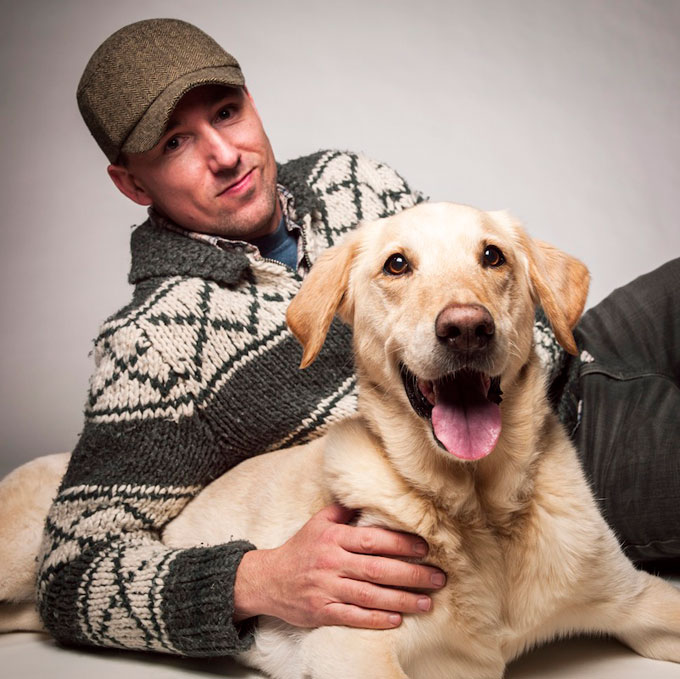
Image of Benoit Denizet-Lewis with labrador Casey

Searches for America’s Soul Since Travels with Charley

Writers who have ridden the roads and rails to record the features of America’s changing identity since John Steinbeck’s odyssey with Charley include Joel Garreau (The Nine Nations of North America, 1981), William Least Heat-Moon (Blue Highways: A Journey Into America, 1982) Gregory Zeigler (Travels with Max: In Search of Steinbeck’s America Fifty Years Later, 2010), Steinbeck and Denizet-Lewis’s fellow Californian Bill Barich (Long Way Home, On the Trail of Steinbeck’s America, 2010), and On the Road with Charles Kuralt (1995). Kuralt, the amiable TV journalist with a Sunday-morning perspective on America, expressed a self-evident truth about the sub-genre: “Even the best of them never got it all into one book, because the country is too rich and full of contradictions.”

Charles Kuralt, the amiable TV journalist with a Sunday-morning perspective on America, expressed a self-evident truth about the sub-genre: ‘Even the best of them never got it all into one book, because the country is too rich and full of contradictions.’

Like Denizet-Lewis, however, Steinbeck was a bleeding-heart dog lover, and canine characters people his most popular fiction. Examples? Pirate’s faithful entourage in Tortilla Flat, the bunkhouse mutt killed for the sin of getting old in Of Mice and Men, and the Joads’ family dog, the first member to die on the journey west in The Grapes of Wrath. Travels with Charley isn’t as sad as The Grapes of Wrath (Charley survives surgery), and Travels with Casey says less about Steinbeck than Dogging Steinbeck, though Denizet-Lewis, a Steinbeck fan, acknowledges Steigerwald’s book. But Denizet-Lewis’s focus is animal rights, not arguments about authors. Since dog lovers comprise a bigger audience than Steinbeck readers, that strategy (as Steinbeck might say) seems wise.

Ryder W. Miller inspired this review and provided the list of books written “in search of America” since John Steinbeck’s Travels with Charley.

John Steinbeck Inspires “An American Experience,” Music By Lothar Bandermann

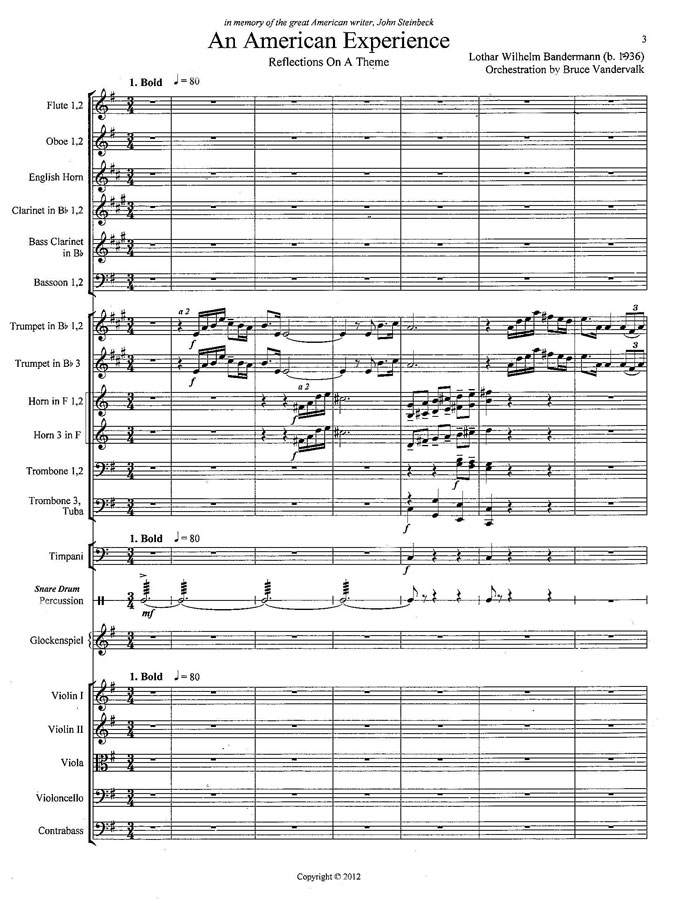
Image from "An American Experience" by Lothar Bandermann

John Steinbeck continues to inspire exciting music by living composers. The latest example is Lothar Bandermann’s “An American Experience: Reflections on a Theme,” an 11-minute set of variations depicting American characteristics and dedicated to John Steinbeck. The orchestral version of the composition—premiered by California’s Silicon Valley Symphony in 2013—will be performed by the Saratoga Symphony at Union Church of Cupertino, California, on May 3. Organ and orchestral versions of “An American Experience” can be heard on the composer’s website. The work is also arranged for symphonic band.

John Steinbeck continues to inspire exciting music by living composers. The latest example is Lothar Bandermann’s ‘An American Experience: Reflections on a Theme.’

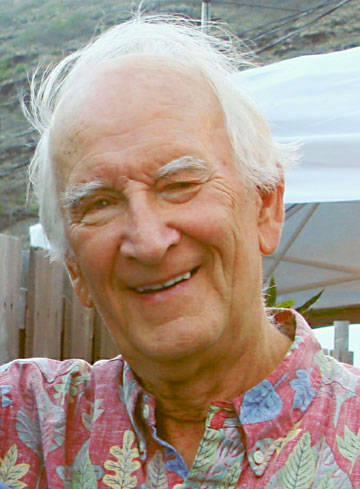
Image of Lothar Bandermann, composer of "An American Experience"Lothar Bandermann shares traits with John Steinbeck beyond the German heritage evident in both names: working-class roots and a love of organ music. Born into a coal miner’s family near Dortmund, Germany, the Cupertino, California-based composer came to the U.S. in 1958 at the age of 24, graduating from the University of California with a major in physics and receiving a doctorate in space physics from the University of Maryland. After conducting astronomy research and teaching at the University of Hawaii—where he met and married Billie Lanier Reeves, a singer and choir director—he worked as an aerospace scientist in Palo Alto, California, before retiring in 1998 to devote his time to writing and performing sacred music.

Bandermann shares traits with Steinbeck beyond the German heritage evident in both names: working-class roots and a love of organ music.

Like John Steinbeck, he took piano lessons as a boy, playing the organ at his Catholic church when he was 15, a lifelong practice he continues as organist for St. Joseph of Cupertino Catholic Church near his California home. Although he has composed numerous sacred works for piano, voice, and choir—including a Latin Requiem for solo, chorus, organ, and orchestra—he concentrates on writing and arranging organ music, 400 examples of which he can be heard performing on his website. The organ original of “An American Experience” will be published by Zimbel Press in 2015, and new projects are in the works. Piano, organ, orchestra, choir, symphonic band: John Steinbeck would admire the versatility of this industrious German-born scientist-musician in tune with the American experience celebrated (and criticized) by John Steinbeck, a sophisticated music lover who liked new music.

John Steinbeck would admire the versatility of this industrious German-born scientist-musician in tune with the American experience.

Union Church is located at 20900 Stevens Creek Boulevard in Cupertino, California. The May 3 concert, a Sunday event, begins at 3:00 p.m.

Fine Art by Nancy Hauk on Show in Pacific Grove, John Steinbeck’s Favorite Place

Image of "Near Harmony," John Steinbeck Country painting by Nancy Hauk

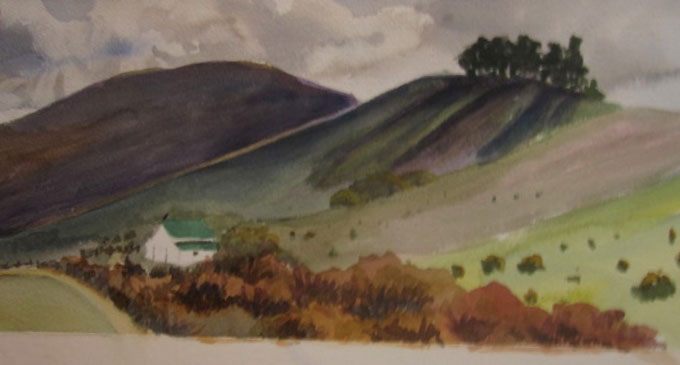
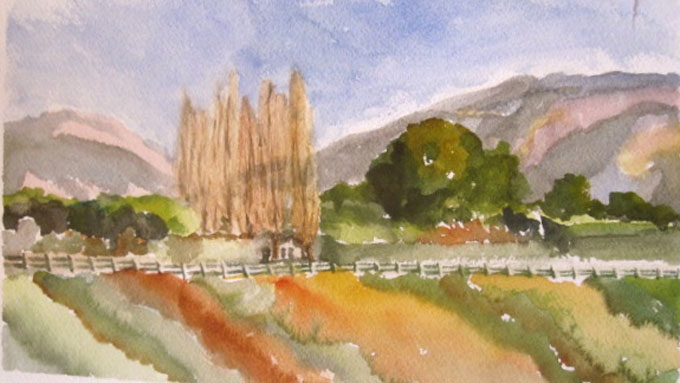
The magical landscape of John Steinbeck’s beloved Monterey, California Peninsula continues to inspire fine art with broad appeal. “Loving Watercolor, Paintings by Nancy Hauk’’—an exhibition opening on April 17 at the Pacific Grove Public Library—is an impressive example. “Near Harmony” (above) was painted just off Highway 1 on the Central California coast. John Steinbeck worked on the highway construction crew as a young man before becoming the state’s most famous writer.

Image of Steinbeck Country scene by Pacific Grove painter Nancy Hauk

John Steinbeck’s Pacific Grove

Steinbeck did much of his early writing in Pacific Grove, the quaint, colorful town south of Monterey, California, where Cannery Row starts and a slender street running past the Steinbeck family cottage bears the name of Ed Ricketts, the marine biologist and model for Jim Casy and other characters in John Steinbeck’s most memorable fiction. As it happens, Nancy Hauk’s home is the former abode of Ricketts and his first wife—also named Nancy—on Pacific Grove’s legendary Lighthouse Avenue. Holman’s Department Store, instantly recognizable to readers of John Steinbeck’s Cannery Row fiction, isn’t far. Hauk Fine Arts, the gallery owned by Nancy and her husband Steve, is also located nearby. Pacific Grove is a walking town, like Sag Harbor, the Long Island village that became Steinbeck’s Pacific Grove East when he lived in New York later in life.

The Fine Art of Nancy Hauk

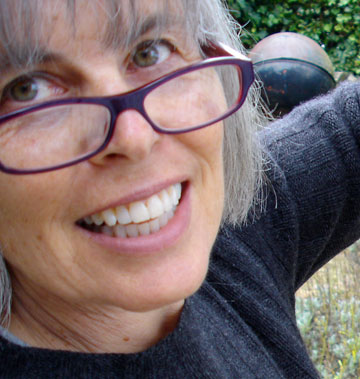
Image of Nancy Hauk, fine artistNancy Burtch Hauk made the opposite journey, majoring in art history at Connecticut College before moving to Pacific Grove with her husband Steve and pursuing the important career of breaking down test biases for CTB–McGraw Hill, traveling the country and working with the late Ross Green, a national pioneer in the field of educational test assessment and publication. When she could find the time as a busy professional with two children, she painted scenes of Monterey, California and France, studying with Sam Colburn—who arrived on the Monterey Peninsula in the 1930s and knew and associated with many of the same artists John Steinbeck did—as well as National Academicians Gregory Kondos and Don Nice, Claire Verbiest, Gerald Brommer, Katherine Stock and Jann Pollard. Her friend Marty Clarke was her constant painting companion.

Image of "Reflecting Reeds,' zen-like watercolor by Nancy Hauk

Capturing Essence, Like John Steinbeck

Most of the works in the Pacific Grove Library exhibition were painted between 2000 and 2010. They include French vignettes, scenes from Steinbeck Country, gardens of ancient adobes in Old Monterey, California, and innovative studies of Spanish missions integrating the decorative motifs that distinguish Mission San Juan Bautista and other churches built by Franciscan missionaries 200 years ago. Some of the selected paintings are incomplete, with the artist’s notes and practice brushstrokes illuminating her creative process as a fine artist. “Reflecting Reeds” (above) demonstrates her Zen-like mastery of meditative line and visual economy.

“Loving Watercolor, Paintings by Nancy Hauk” was curated by Julianne Burton-Carvajal and runs through May 30 in recently restored library gallery space located at 550 Central Avenue, a block from Lighthouse Avenue in downtown Pacific Grove. (Note to Steinbeck lovers visiting Monterey, California in April or May: don’t miss the experience of seeing Steinbeck Country through the eyes of a contemporary fine artist with a talent for capturing the essence of every scene—just as John Steinbeck did when writing about his favorite places from the comfort of his Pacific Grove cottage years ago.)

Big Sur’s “Dark Watchers” Subject of Sumptuous Book By Thomas Steinbeck and Artist Benjamin Brode

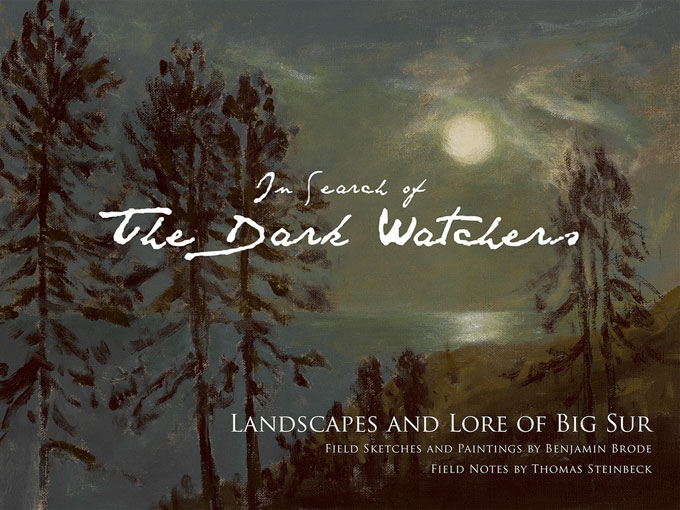
Cover image of In Search of the Dark Watchers by Thomas Steinbeck and Benjamin Brode

John Steinbeck’s short story “Flight” is haunted by “dark watching men” whose gaze must be avoided if encountered in the mysterious mountains of Central California’s Big Sur. The writer Thomas Steinbeck, the author’s son, has collaborated with Benjamin Brode, the Big Sur landscape artist, in a beautiful word-and-picture book about these curious creatures out of some Jungian archetypal dream. Published in 2014 by Steinbeck Press, In Search of the Dark Watchers: Landscapes and Lore of Big Sur proves that some pictures really are worth a thousand words when they come from the collective unconscious.

Image of painting by Benjamin Brody from Big Sur book with text by Thomas Steinbeck

As an adult, John Steinbeck read Carl Jung and understood archetypes. But according to Thomas Steinbeck, the idea was first planted in John’s imagination by his mother Olive, a true believer who—like Mama in “Flight”—warned her son to respect the Dark Watchers’ sovereignty over Big Sur’s dangerous terrain. Thomas Steinbeck wrote a short story called “The Dark Watcher” that further embellished the Steinbeck family fable, inspiring Benjamin Brode’s moody, mystical paintings in pursuit of the elusive spirit-beings said to inhabit Big Sur. Don’t worry. You won’t need Carl Jung to appreciate the art or text in this coffee-table delight. But follow Olive Steinbeck’s advice. Exercise care if caught—like Pepe in “Flight”—alone in the Big Sur woods at night. As Carl Jung discovered, disturbing dreams can come true.

John Steinbeck’s Cannery Row: The Representational Art of Sculptor Lew Aytes

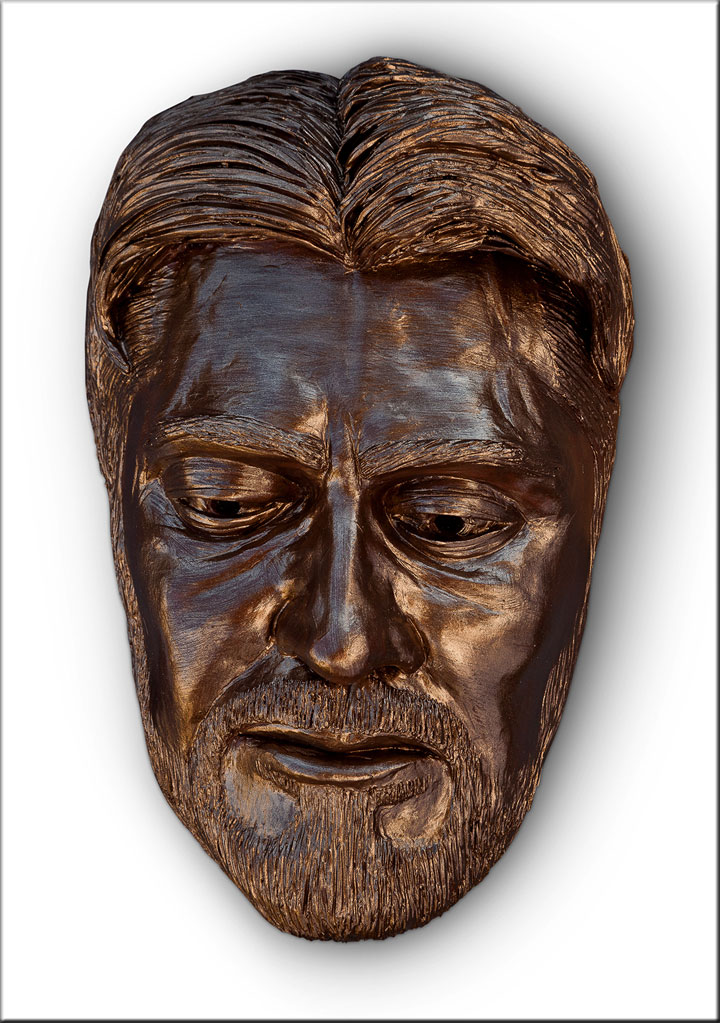
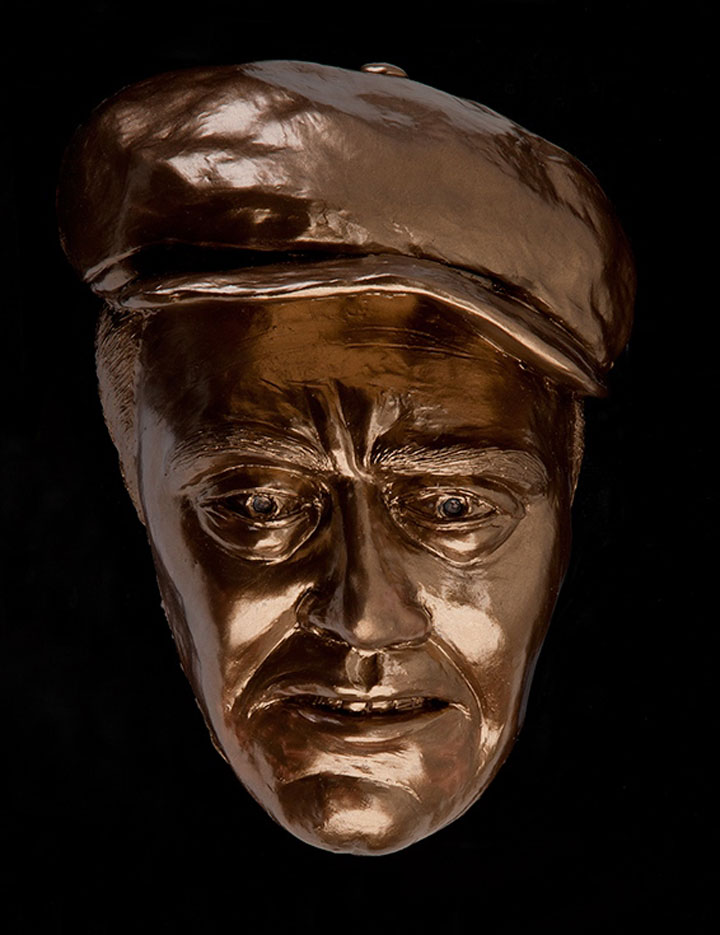
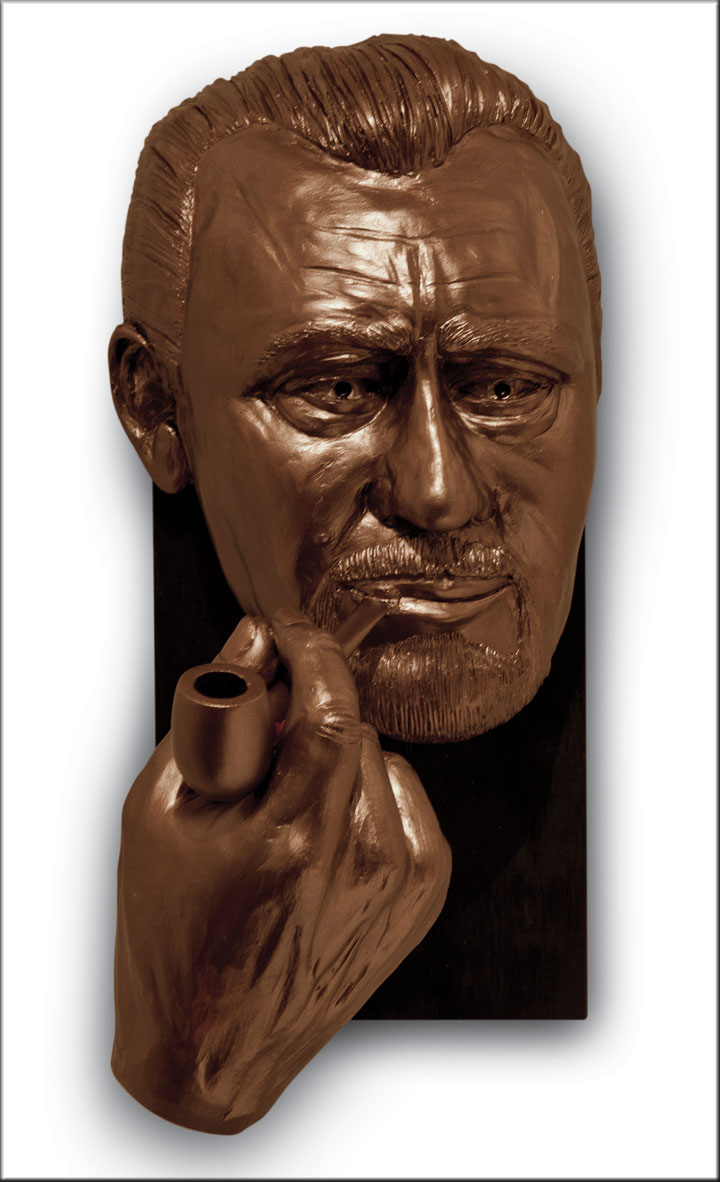
Image of John Steinbeck, sculpture by Lew Aytes

John Steinbeck

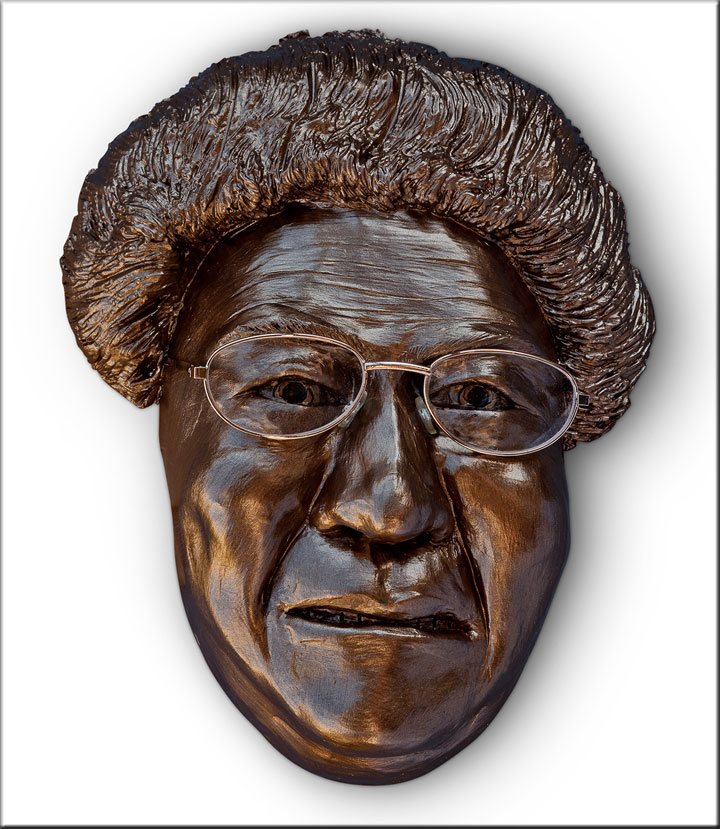
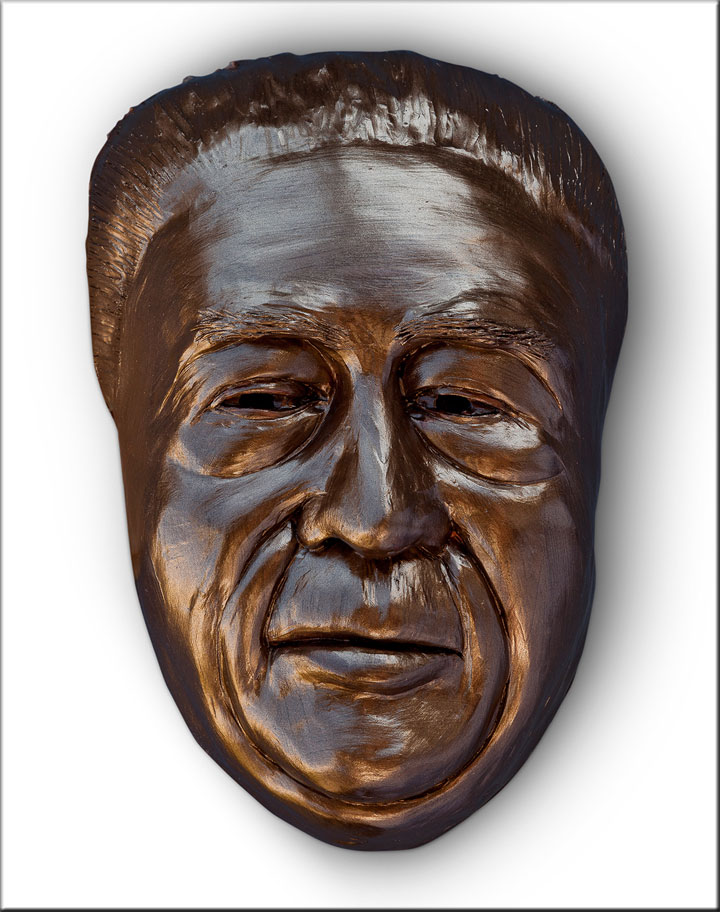
A multi-tasking Monterey, California sculptor whose busy career as a musician, businessman, and installation artist would have appealed to John Steinbeck has brought three-dimensional life to famous characters from Steinbeck’s fiction in a series of bronze portraits—representational art that aptly reflects the stylized realism of Cannery Row, Of Mice and Men, and The Grapes of Wrath. A Monterey, California resident who once lived near the Steinbeck family cottage in Pacific Grove, Lew Aytes read Cannery Row as a boy, and the faces in his Steinbeck series suggest a sense of fresh discovery and boyish delight. The museum-quality pieces, designed to be affordable and accessible to audiences attracted by John Steinbeck’s fiction, toured venues in Ireland, New Orleans, and other sites associated with Steinbeck’s storied life before being exhibited for the first time on Cannery Row recently.

Image of Ed Ricketts, sculpture by Lew Aytes

Ed Ricketts

The pieces shown here are part of an assembly of representational art united by a single theme—“Steinbeck: The Art of Fiction”—currently on view at the American Tin Cannery, a rehabilitated commercial building where Pacific Grove and Monterey, California merge and Cannery Row begins. Also featured are works by the painter Warren Chang and the photographer Robert Nease, area artists steeped, like Aytes, in John Steinbeck’s description of life in Salinas, Pacific Grove, and Monterey, California during the 1920s and 30s. Historic Cannery Row photos from the 1950s by the late Robert Lewis, also on display, document the gritty waterfront scene where John Steinbeck met colorful Cannery Row figures depicted in his fiction as Doc Ricketts, Dora Flood, Mack, and Lee Chong. Aytes has also sculpted characters from other books by Steinbeck: George and Lennie, the unfortunate bindlestiffs from Of Mice and Men, and two members of the equally luckless Joad family—Ma and Tom—immortalized in The Grapes of Wrath.
“Steinbeck: The Art of Fiction” runs through March 31, 2015, at 123 Ocean Avenue in Pacific Grove. The exhibition is free and open to the public 10:00 a.m.-5:00 p.m. daily except Mondays.

Image of Dora Flood from Cannery Row, sculpture by Lew Aytes

Dora Flood

Image of Lee Chong from Cannery Row, sculpture by Lew Aytes

Lee Chong

Image of Mack from Cannery Row, sculpture by Lew Aytes

Mack

Image of George from Of Mice and Men, sculpture by Lee Aytes

George

Image of Lennie from Of Mice and Men, sculpture by Lew Aytes

Lennie

Image of Ma Joad from The Grapes of Wrath, sculpture by Lew Aytes

Ma Joad

Image of Tom Joad from The Grapes of Wrath, sculpture by Lew Aytes

Tom Joad

Hollister, California, the San Benito County Town Where The Other Steinbecks Lived

Image of historic Hollister, California brewery

In East of Eden John Steinbeck wrote imaginatively about the Salinas Valley Hamiltons—grandparents, aunts, and uncles on his mother’s Scots-Irish side. But his father Ernst Steinbeck’s people, solid Central California farmer-entrepreneurs living east of Salinas, were also important in the writer’s early life. Folks in Hollister, California, the San Benito County village where the family migrated from New England in the 1870s, like to remind visitors that Steinbeck Country starts in their city, a peaceful farming community set among the rolling hills near historic Mission San Juan Bautista. When John Steinbeck was growing up in Salinas, Hollister was a day’s ride over the steep San Juan Grade, so the Hollister Steinbecks weren’t around as much as the familiar Hamilton clan. But the dramatic story of how they came to Central California is, if anything, even more memorable than that of the Hamiltons, and Steinbeck wrote about it in the 1960s.

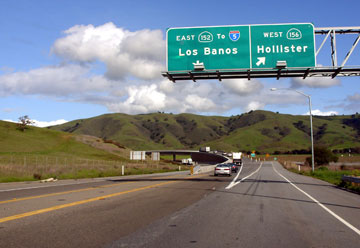
Image of highway exit to Hollister, CaliforniaPresent-day Hollister—the San Benito County, California seat—is a 10-minute drive east off Highway 101 north of Salinas, a must-make side trip whether your primary destination is San Juan Bautista, Monterey, or Salinas, 20 miles to the south on 101. In a curious episode of Steinbeck Country history, the creation of San Benito County was the result of Salinas ambition, and a certain Hollister-Salinas-Monterey rivalry can still be felt when the subject comes up in conversation. The Central California coastal mission settlement of Monterey—California’s first capital—was the original seat of Monterey County, which extended east to include San Benito County when California became a state in 1850. But Salinas Valley farming grew fast following the Civil War and civic boosters in Salinas got ambitious, winning a referendum in 1874 that moved the Monterey County seat to their town. Votes from Hollister and San Juan Bautista—so goes the story—were influenced by the promise to carve out a new San Benito County with a Hollister, California seat.

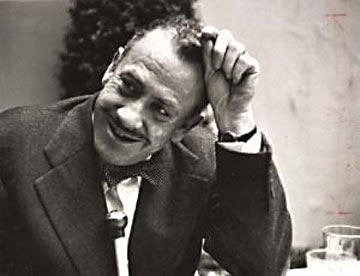
Image of John Steinbeck, grandson of Central California settlersJohn Adolph and Almira Ann Steinbeck, young John’s Hollister grandparents, grew apricots and operated a dairy, eventually moving into town once their five sons (John Steinbeck’s father Ernst among them) had families of their own. But their roots were in Puritan New England, where Almira’s pious father was known as Deacon Dickson, and Protestant Prussia, where John Adolph and his brother were wood-craftsmen before packing up for Palestine in 1850 with a sister and her husband, a Lutheran missionary. There they met the daughters of Deacon Dickson, a Massachusetts farmer on a mission to the Holy Land, marrying two of the girls in Jerusalem in 1856. Murder, rape, and escape ensued, and the third Dickson sister eventually settled in Hollister, California, too, along with Adolph, Almira, and their five sons. The future novelist was familiar with the family’s story of violence and flight from Palestine to America, and he admired his father’s hardworking people, from whom he inherited hands that liked to garden, fabricate, and repair things. His writing in the 1960s expresses the abiding connection he felt with the prolific San Benito County branch of the Steinbeck family tree.

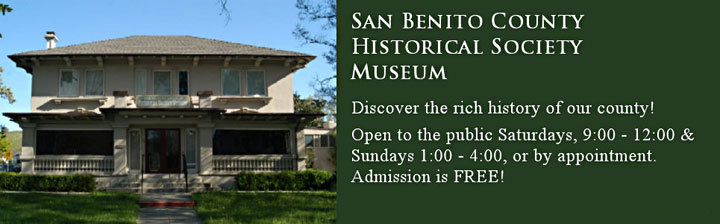
Image of the San Benito County Historical Society Museum Call the San Benito County Historical Society Museum before your next trip to Central California and see for yourself. The not-for-profit facility is open by appointment only, but the hospitable volunteers who make it run are proud of their heritage and know a lot that isn’t in books about John Steinbeck. Hollister, California is right: “Steinbeck Country starts here!”