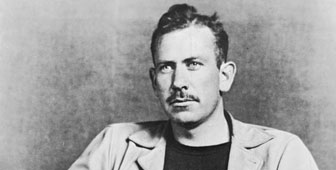
Woody Guthrie and The Ghost of Tom Joad is a documentary worth watching. Not only because there’s a good amount of Steinbeck in it, but because it reminds us of the past while asking us to pay attention to the present.
Greg Mitchell, journalist, documentarian, and advocate for fundamental human rights, has crafted quite a compelling film. Narrated by Roseanne Cash with music by Bruce Springsteen, it offers a thorough insight of the Dust Bowl era, examining how the systems meant to protect Americans failed so many people, and how unsettlingly familiar those failures can feel today.
Produced by PBS, following the world premiere Sunday, June 21 at the Autry Museum of the American West in Los Angeles, it will continue airing on PBS stations nationwide, streaming via PBS.org and the PBS apps. until June 20, 2029. You can find it here: Woody Guthrie and the Ghost of Tom Joad Today | PBS
In 1939, John Steinbeck published the iconic and transformative novel The Grapes of Wrath. The following year, after watching John Ford’s film adaptation, Woody Guthrie, inspired by the film, went home and wrote the song “Tom Joad”, which became part of his album Dust Bowl Ballads. Both artists loved their country, and both were deeply angered by the injustices they witnessed.
The Dust Bowl’s devastating droughts and dust storms forced farmers and agricultural workers from their homes, sending many westward with false promises of plentiful jobs and better lives. The advertisements spread more quickly than the truth, leaving thousands of migrant families homeless, hungry, and desperate. Though despite these hardships, their determination to survive endured. That resilience is what stayed with Steinbeck and Guthrie, even as they were horrified by the conditions.
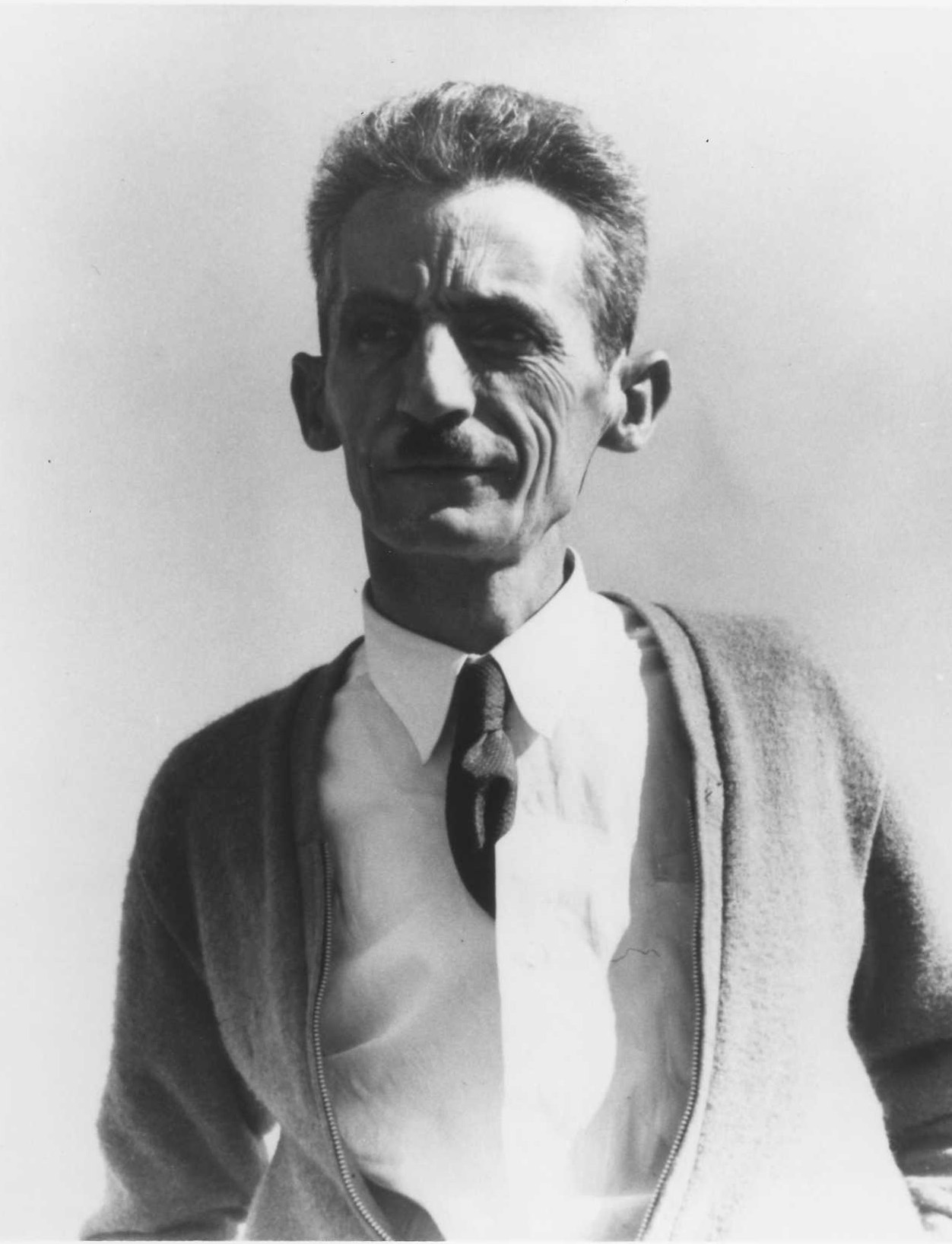
As Steinbeck wrote in The Grapes of Wrath: “And children dying of pellagra must die because a profit cannot be taken from an orange. And coroners must fill in the certificates–died of malnutrition–because the food must rot, must be forced to rot.” (p.398).
Steinbeck spent extensive time in migrant camps listening to the stories of the people. He first documented what he saw in a series of articles for the San Francisco News titled “The Harvest Gypsies”. Those articles became the foundation for The Grapes of Wrath.
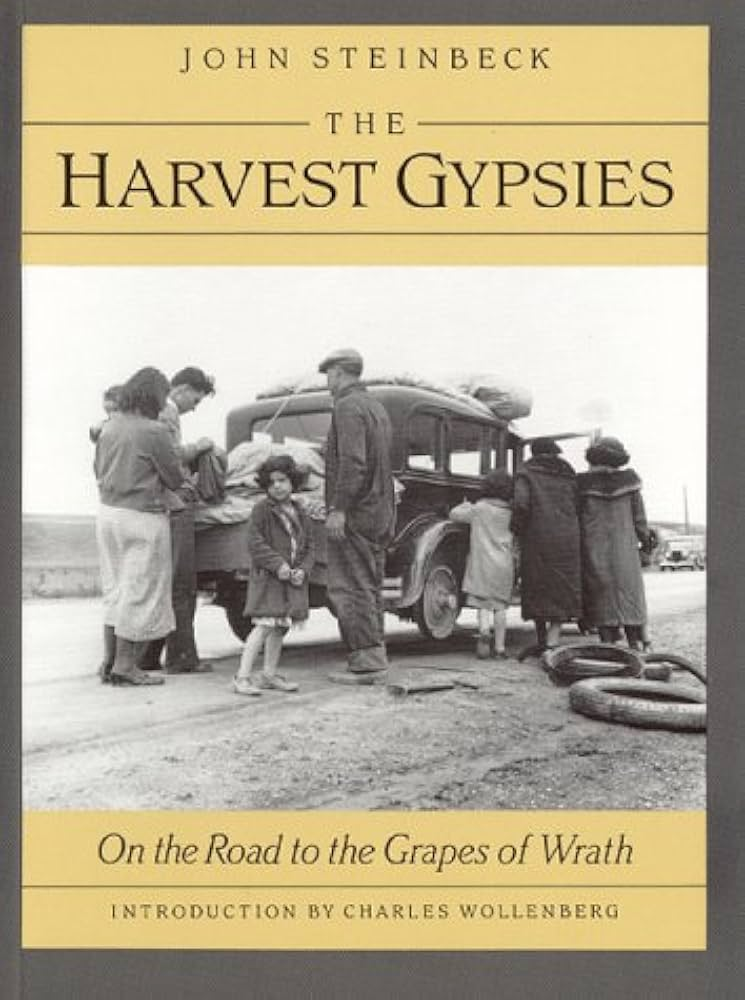
Today we recognize The Grapes of Wrath as an American classic, but its reception was deeply divided when it was first published. Its unflinching portrayal of poverty, exploitation, and inequality angered powerful interests. The novel was banned in some communities and even publicly burned. Yet those efforts could not stop it from becoming a bestseller, and within a year it had been adapted into an acclaimed motion picture. That film, in turn, inspired Woody Guthrie to write “Tom Joad”.
Like Steinbeck, Guthrie immersed himself in the lives of migrant workers. He rode freight trains with people heading west in search of work, spent time in labor camps, and would sing and play guitar on train cars. Music was his way of documenting the struggles, hopes and humanity of the people.
Although Woody Guthrie and John Steinbeck’s paths often overlapped, it wasn’t until later that they finally met in person. Each admired the other’s work, and this documentary beautifully weaves their stories together into a single narrative.
Ultimately, Woody Guthrie and The Ghost of Tom Joad reminds us that history is never as distant as we’d like to believe. It asks us to recognize the dignity of every person, regardless of class, circumstance, education, dialect, or social standing. It is an inspiring reminder that caring for one another, treating people fairly, and defending our shared humanity are values that remain just as important today.